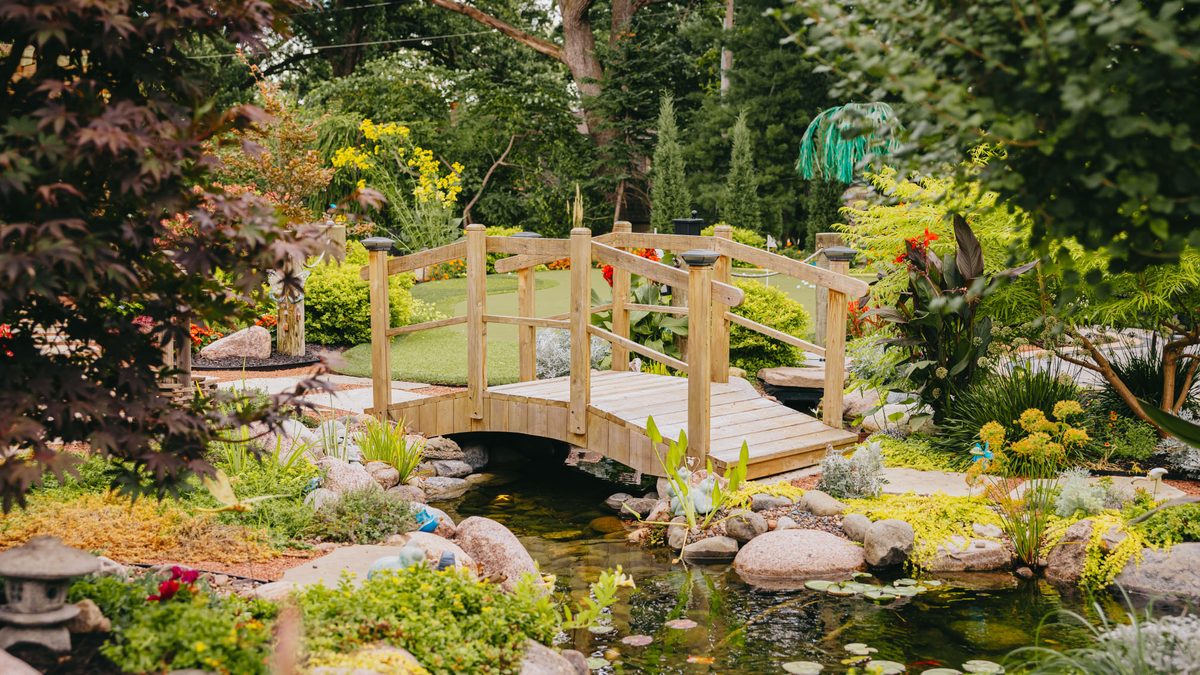
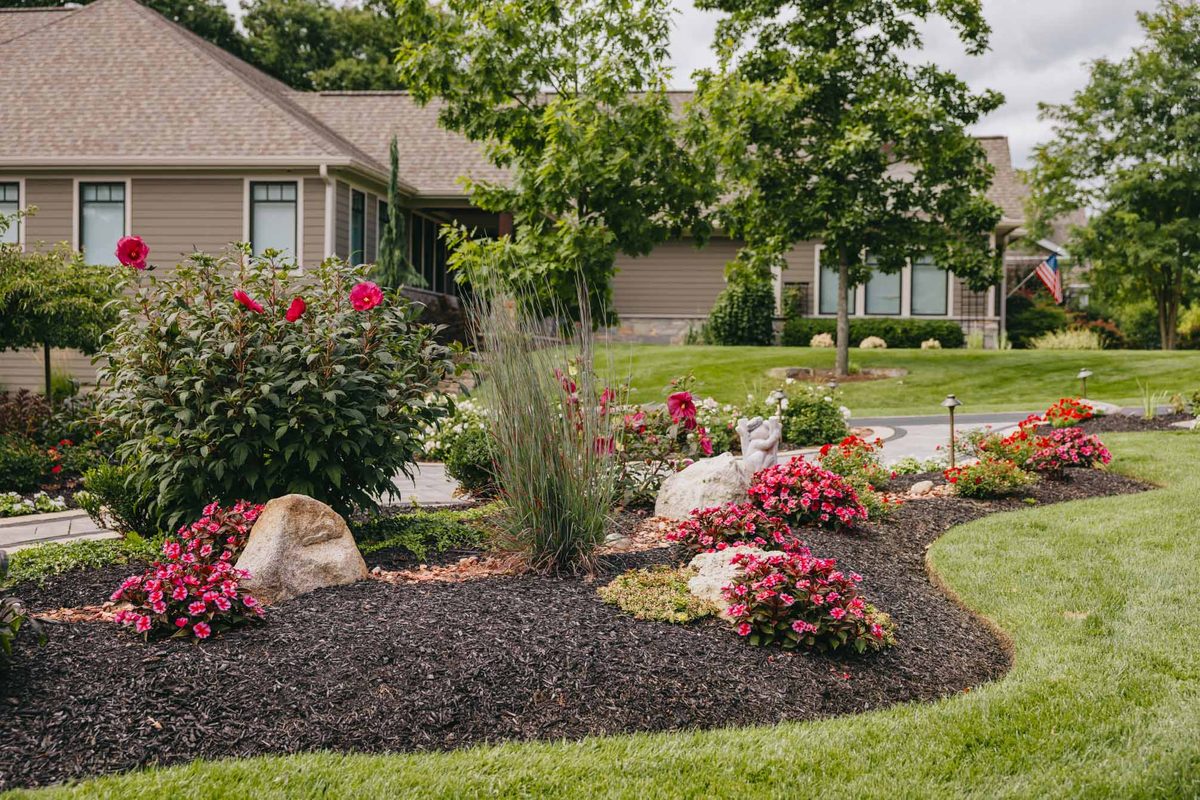
Design, planting and irrigation for Pingree Grove yards, in a village where the fence ordinance means privacy has to be grown rather than built.
Pingree Grove has the lowest residential fence limit of any village on our map. Most towns around here allow six feet in a rear or side yard. Here the ordinance says no fence shall exceed five feet, with a narrow exception letting patio enclosures reach seven.
That one line changes how you get privacy on a Pingree Grove lot. A foot does not sound like much until you are sitting down and your neighbour is not. The answer is planting, placed deliberately, which is a design problem rather than a fencing problem. For everything we do, see our services, or the other towns we serve.
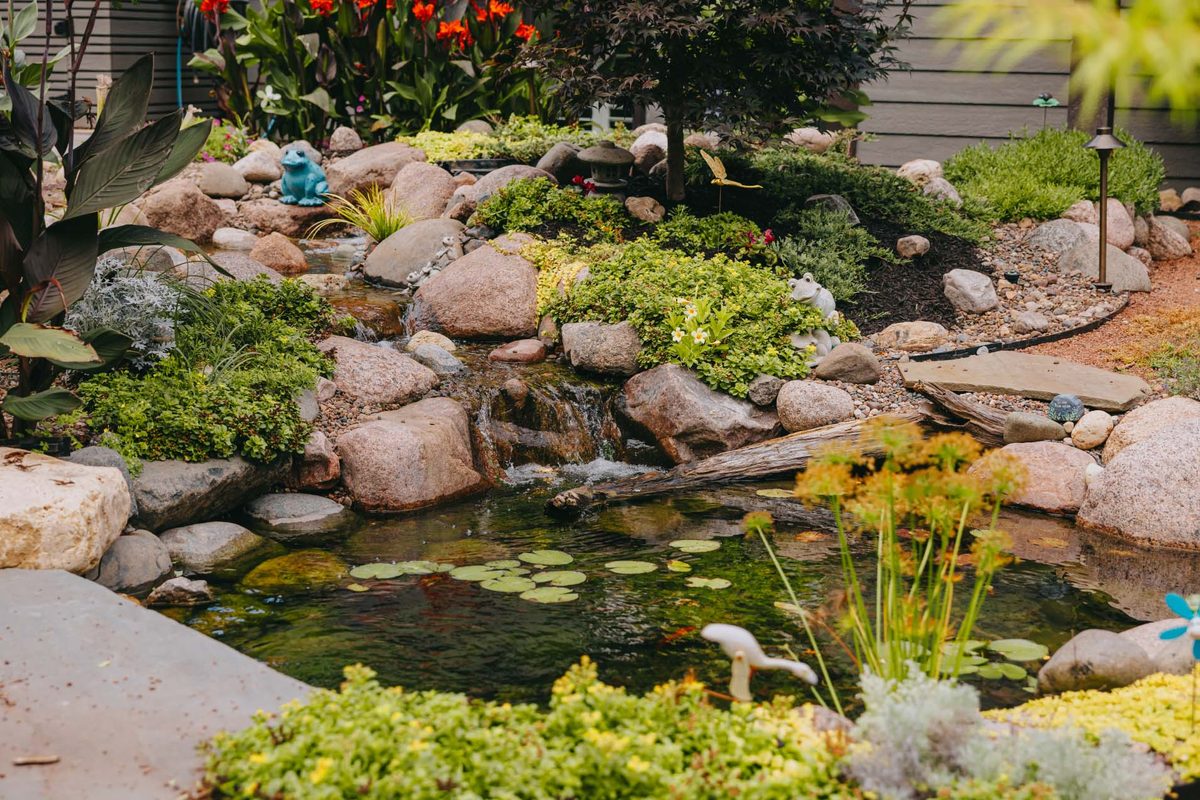
A low fence ceiling and young, mostly blank yards add up to the same answer: the screening here has to be grown.

The ordinance states that no residential fence shall exceed five feet in height. Patio enclosures are the exception and may reach seven feet, but must sit at least three feet back from the property line. Barbed wire and electric fences are unlawful.

With the fence capped, screening comes from layered planting instead: the right species at the right mature height, placed where the sight line actually is rather than evenly along a boundary. It takes a season or two but it works better than fence ever did.

Most yards here are recent enough that nothing has grown into a problem yet. The issue is not overgrowth, it is that the builder package was a minimum and nothing has been added since. That is a much easier starting point than a tired old landscape.
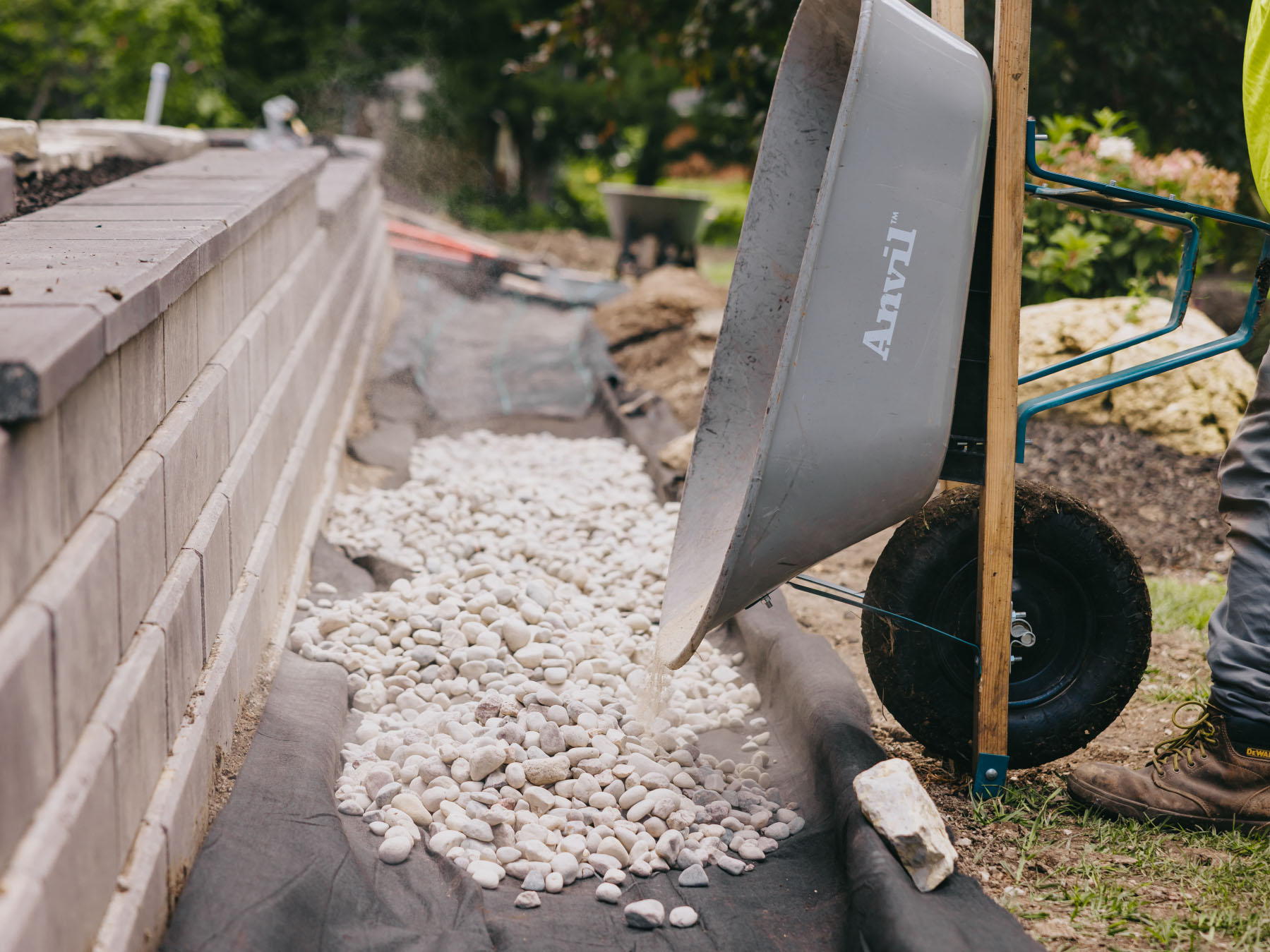
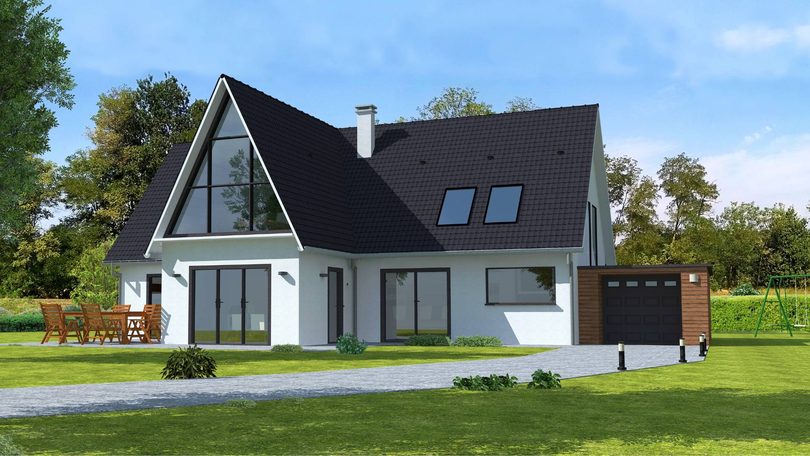
Screening that works is a design problem. Where the sight lines are, what reaches the right height, and what still looks deliberate in year one rather than year six.
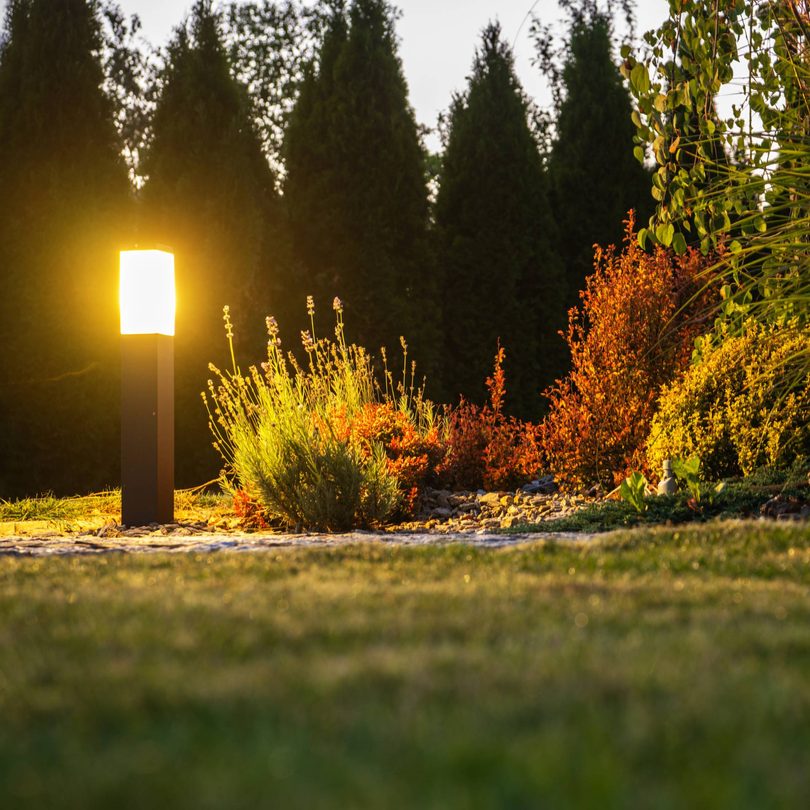
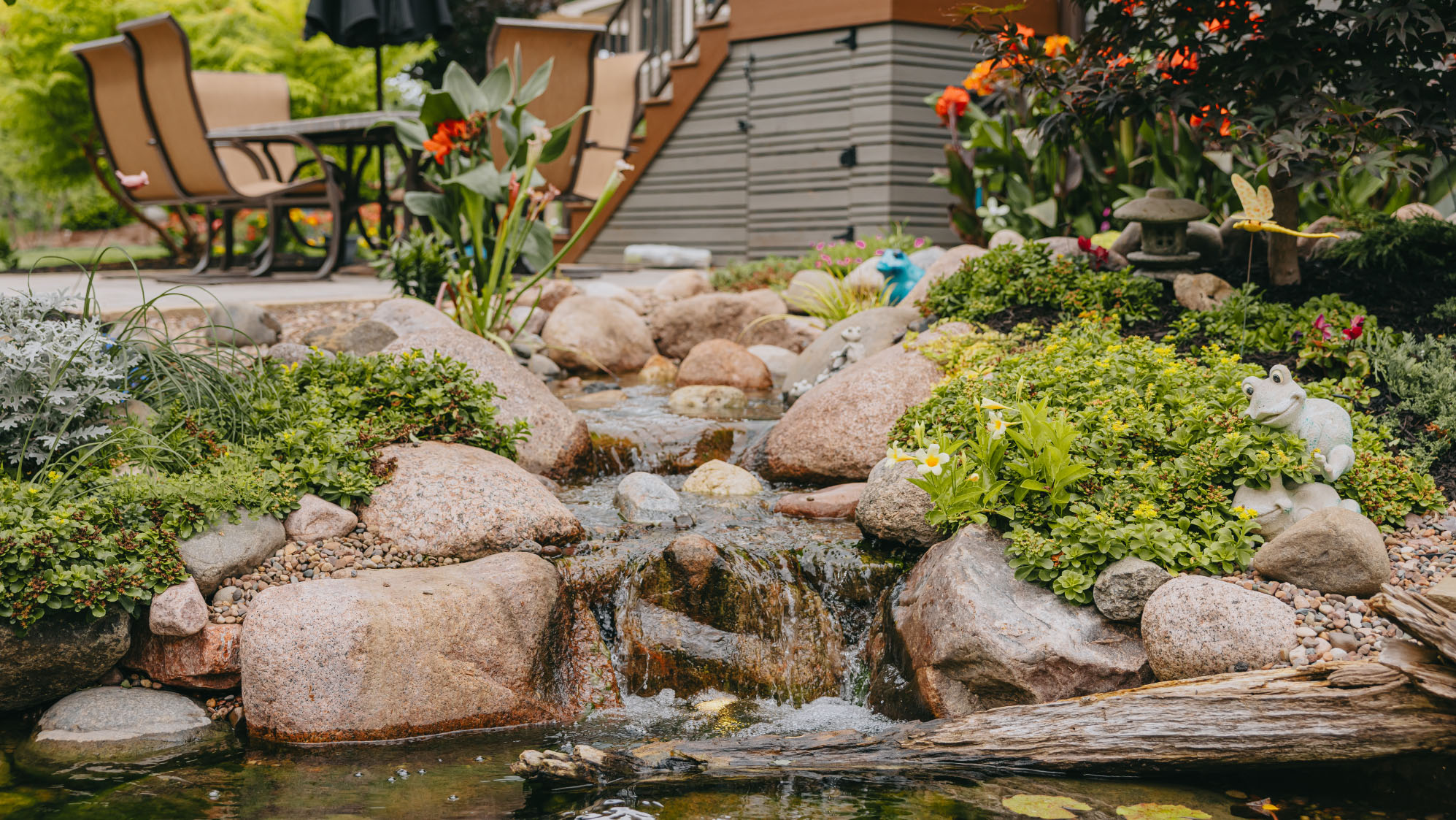
Young screening planting has to survive its first two summers to become screening at all. Irrigation is what gets it there, and lighting is what makes the yard usable while it grows.
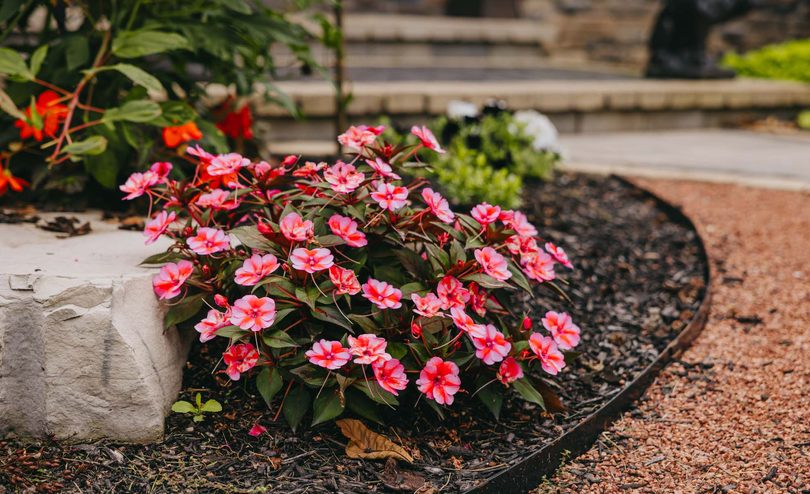
New plantings lose moisture faster than established ones. Mulch at the right depth, kept off the stems, is the cheapest thing protecting the investment.
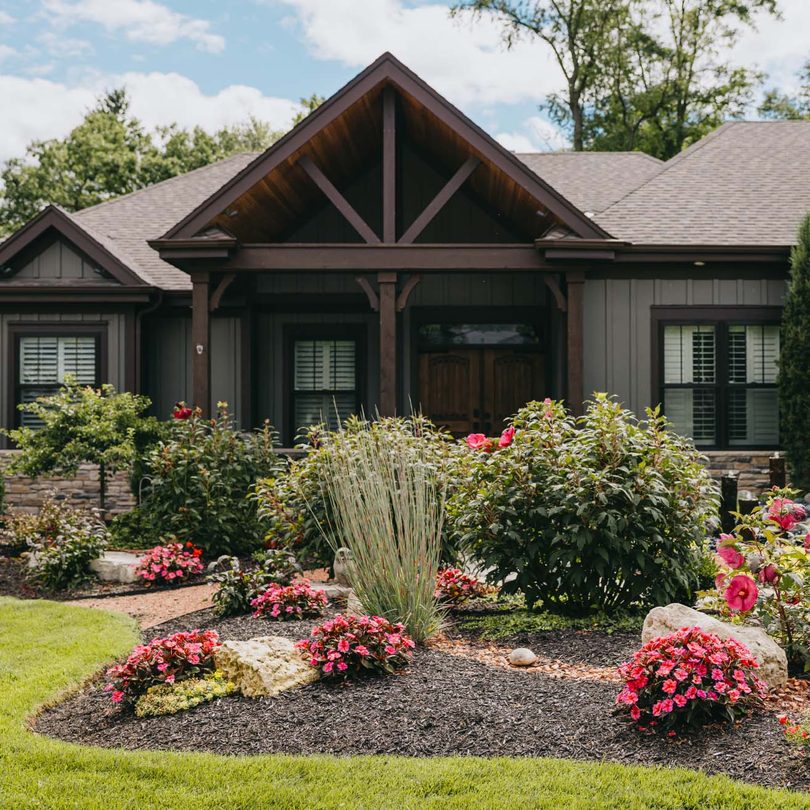
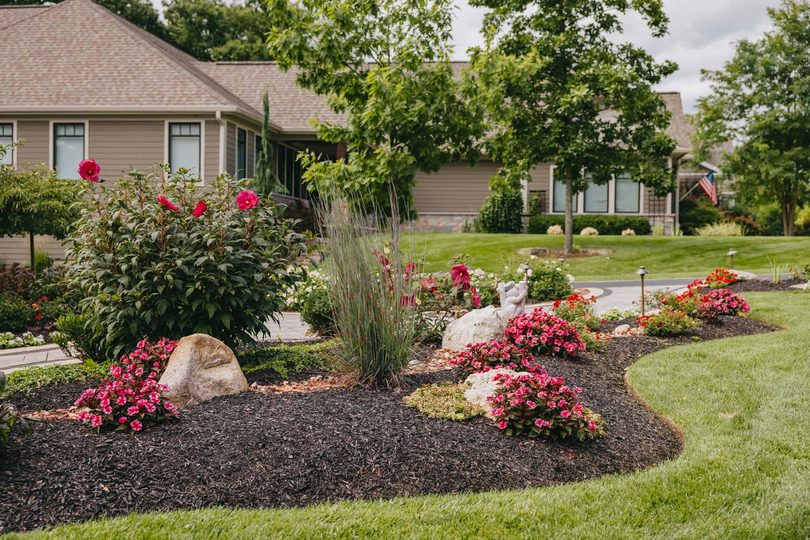
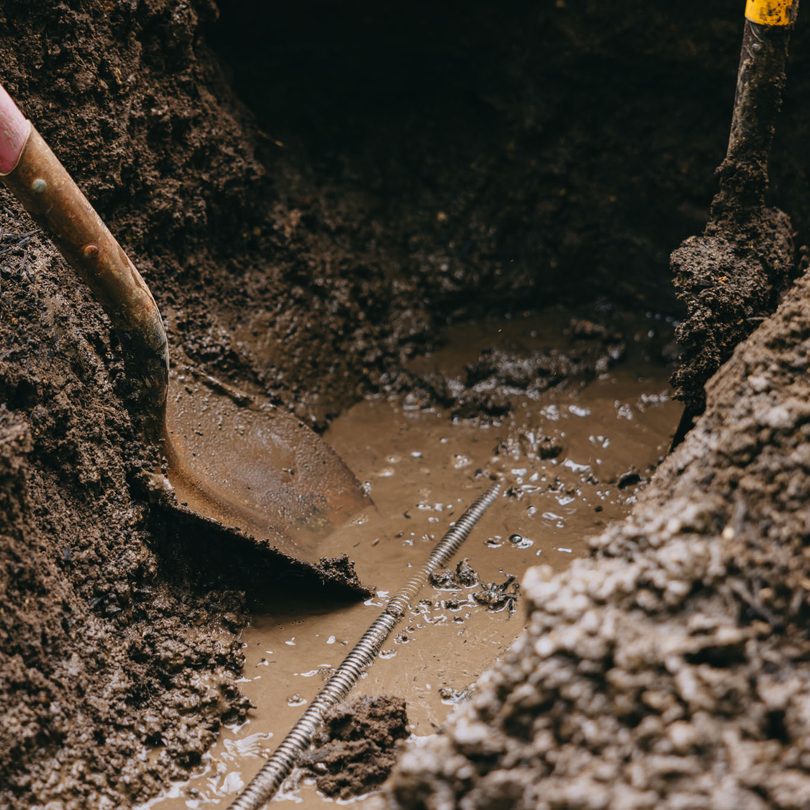
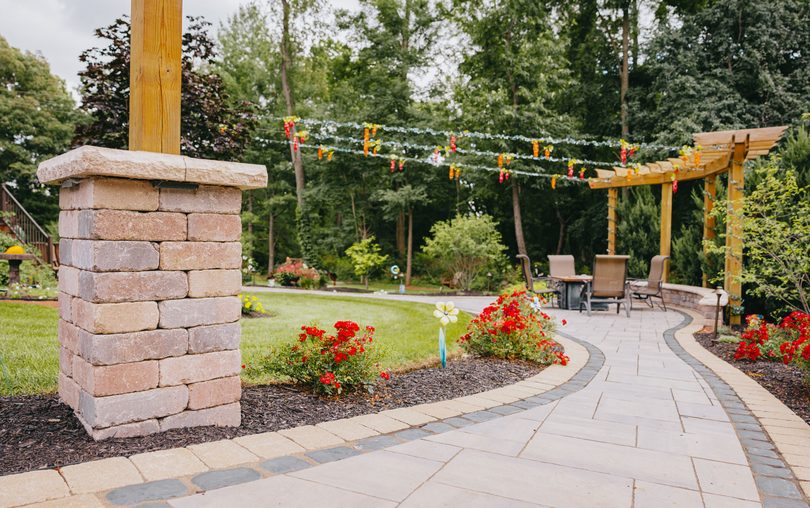
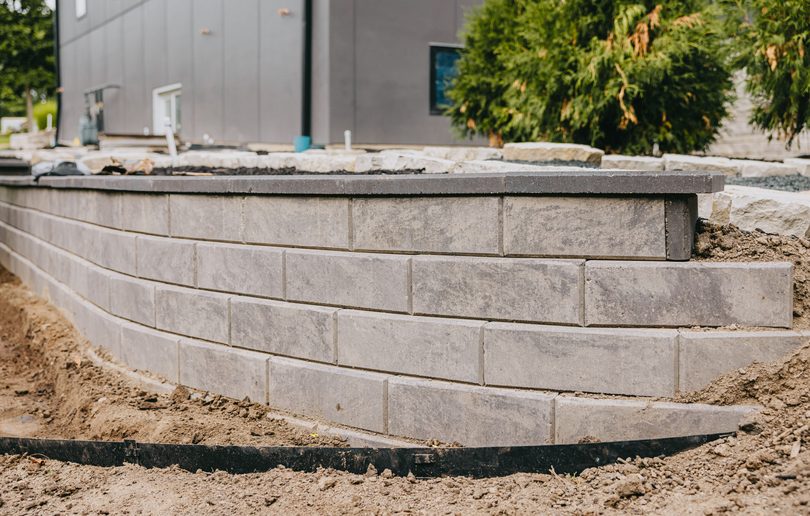
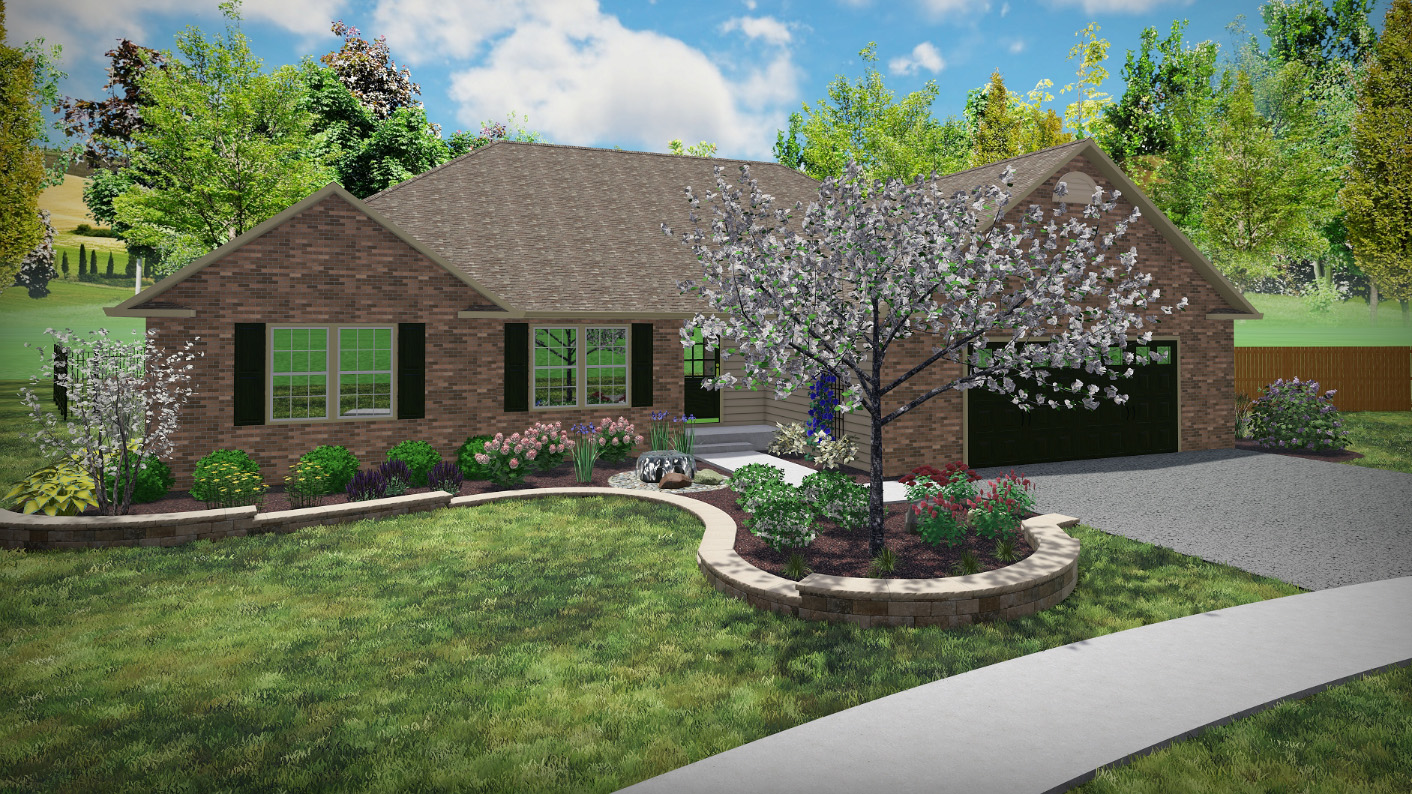
A front yard redesign drawn before anything was dug: overgrown planting out, grade corrected, trench edging, new beds and irrigation in.
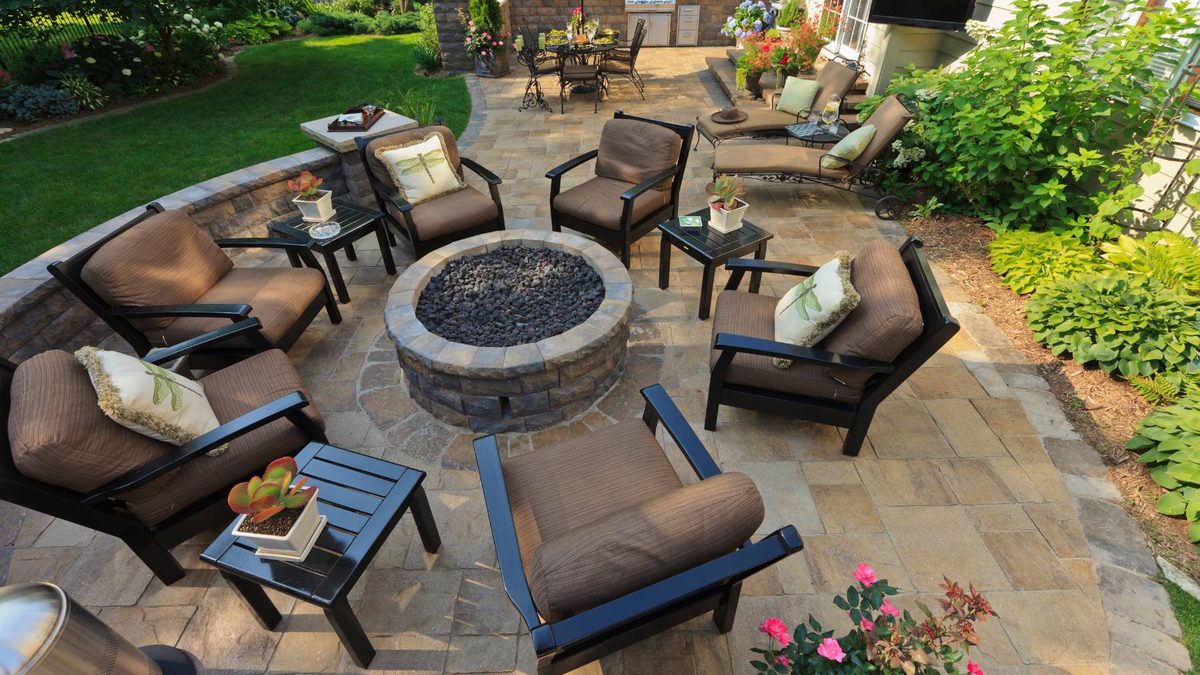
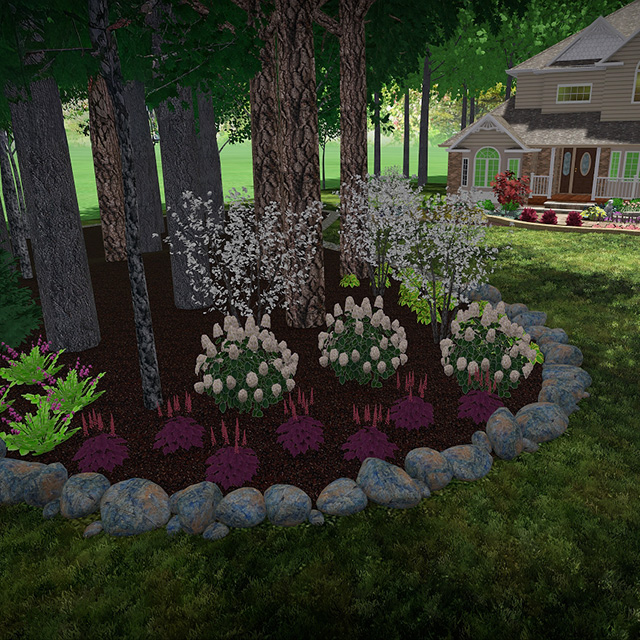
A full property redesign built off a 3D plan, including a shaded woodland bed doing exactly the screening job a fence could not.
What homeowners here ask us most, answered straight.
Five feet. The ordinance states that no residential fence shall exceed five feet in height, which is a foot lower than most neighbouring villages allow. Patio enclosures are the one exception and may reach seven feet, but they have to sit at least three feet back from the property line. No fence may extend beyond the front property line, everything has to be built within your own boundaries, and barbed wire and electric fences are unlawful. A permit is required before any fence, screen or wall goes up.
You plant it. A five foot fence screens a standing neighbour poorly and a seated one reasonably well, so the job is to work out where you actually need height and put planting there rather than fencing the whole boundary. Done properly it is a handful of well-placed shrubs and small trees, not a hedge around the entire lot, and it looks like a garden rather than a barricade.
Two to three seasons for the effect you want, sooner if we plant larger stock. The honest trade-off is cost against patience: bigger plants close the gap faster but cost more and establish more slowly. We will usually suggest a mix, with a few larger specimens where the sight line matters most and smaller stock filling in behind them.
With a plan, and then with the grade. Blank is a good problem, and it is far cheaper to work with than a tired old landscape. The sequence that saves money is: settle where the water goes, define the bed shapes, get the screening planting in first because it needs the most time, and add hardscape once you know how you actually use the space.
Permit and code requirements described on this page reflect Village of Pingree Grove guidance published as of September 2026. Fees and codes change. Confirm current requirements with the village before starting work.
Tell us where the sight line bothers you and we will plant for it rather than fight the fence rule. Free on-site estimate, no pressure.