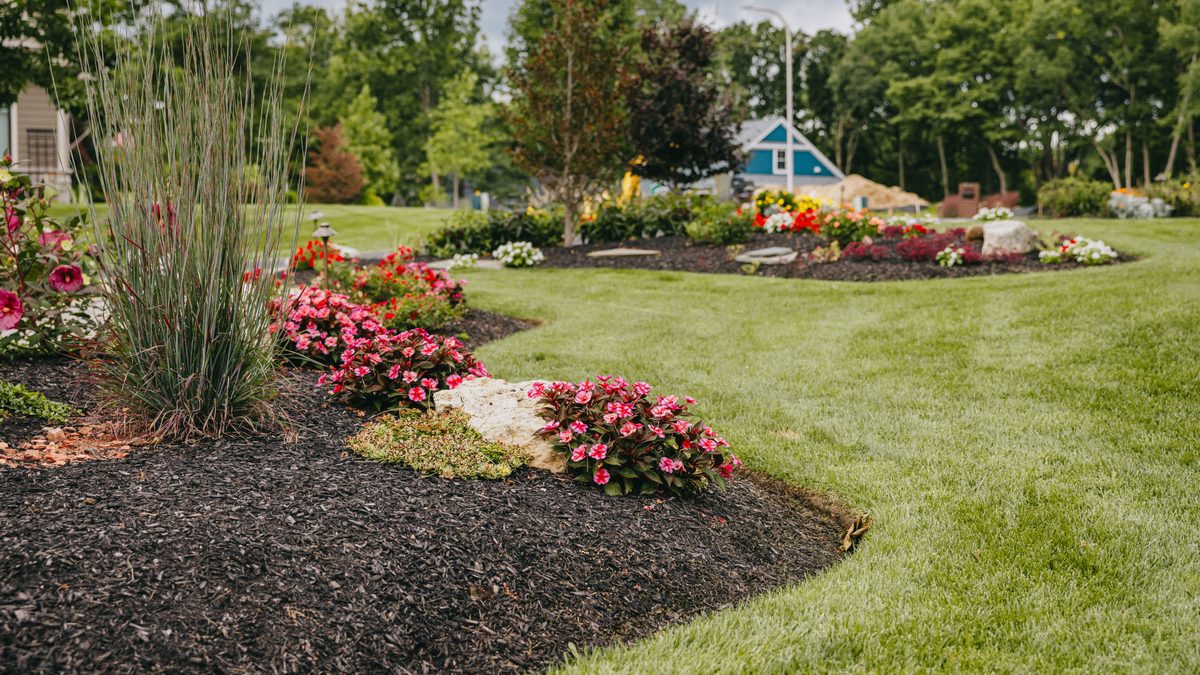
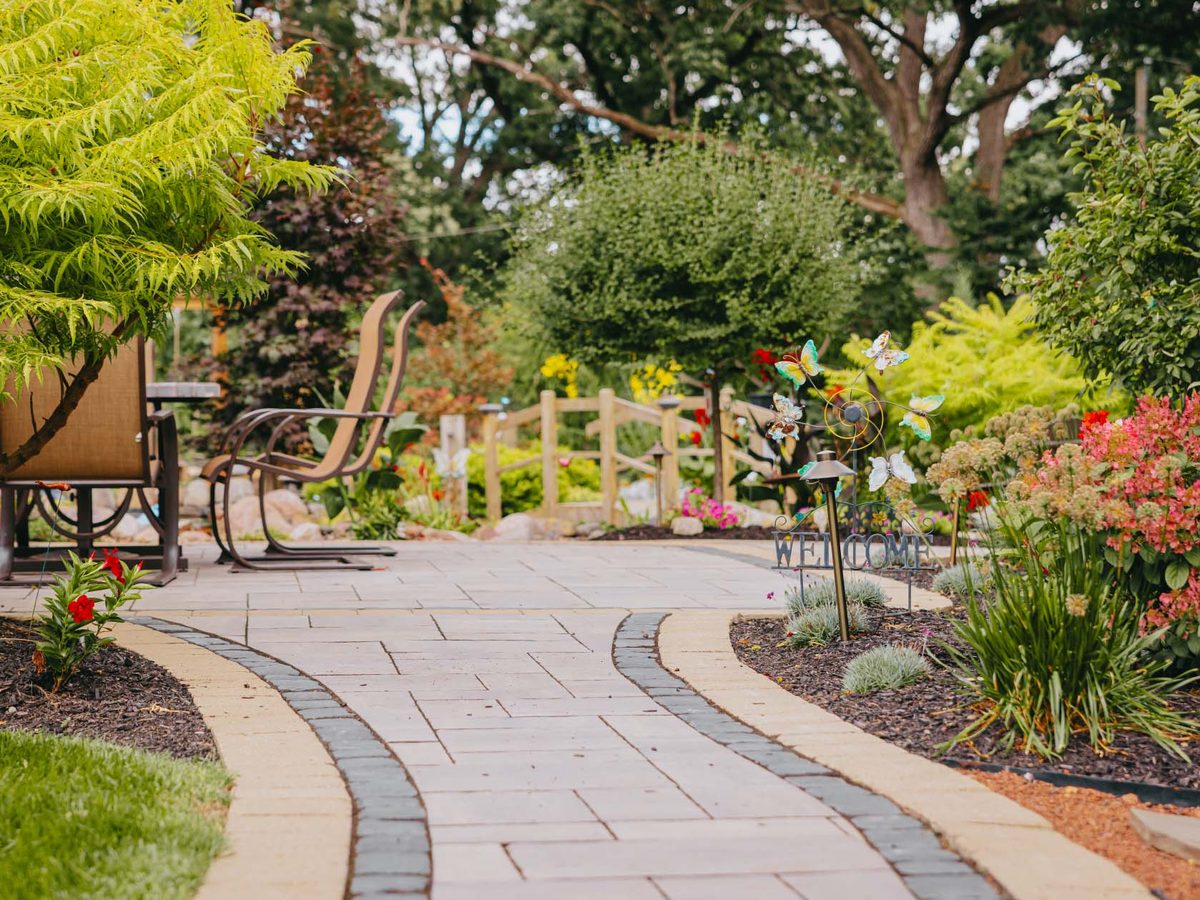
Renewal work on established Sycamore yards: overgrown plantings brought back, beds re-cut, grade corrected and everything replanted to suit the house.
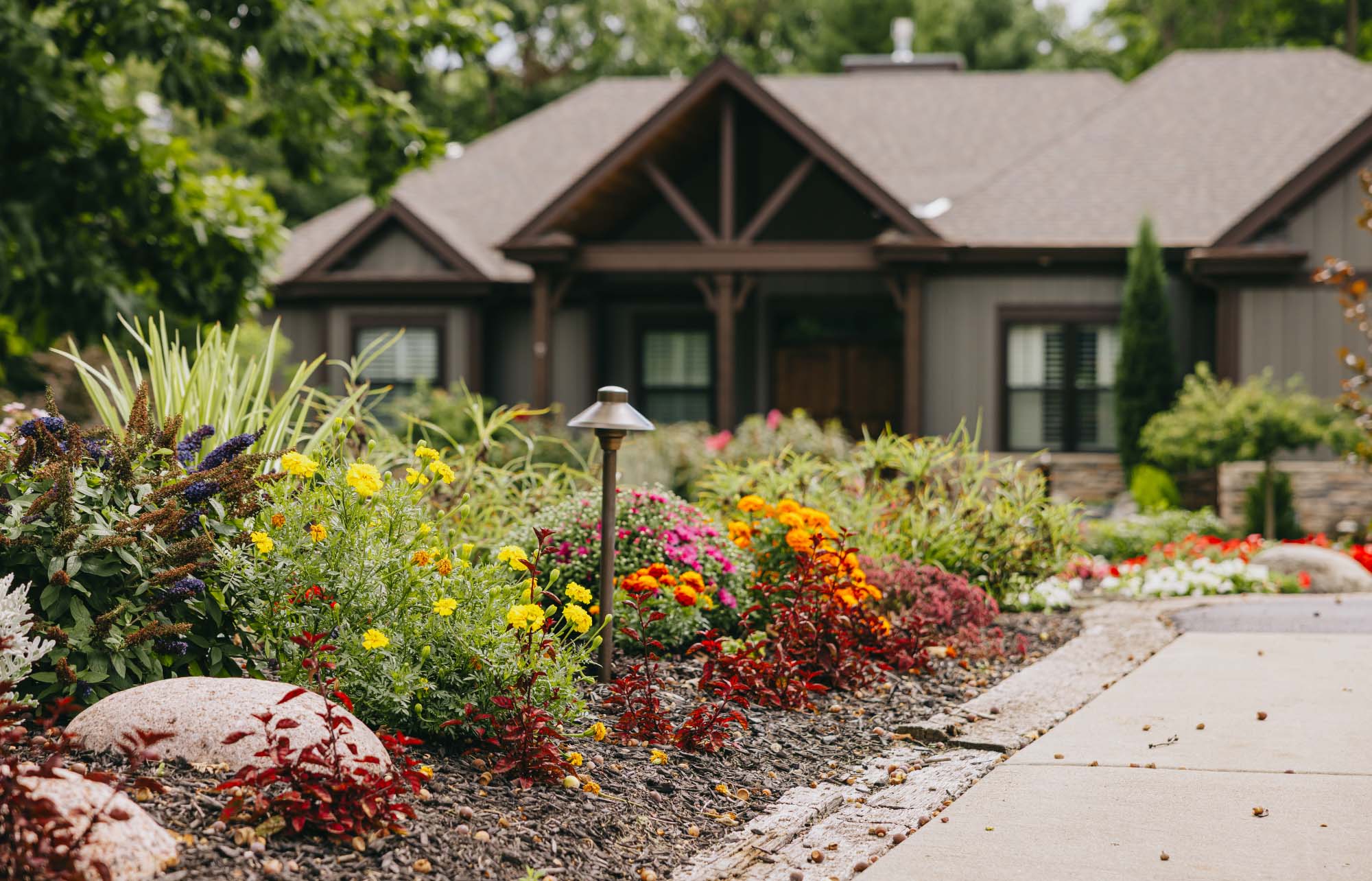
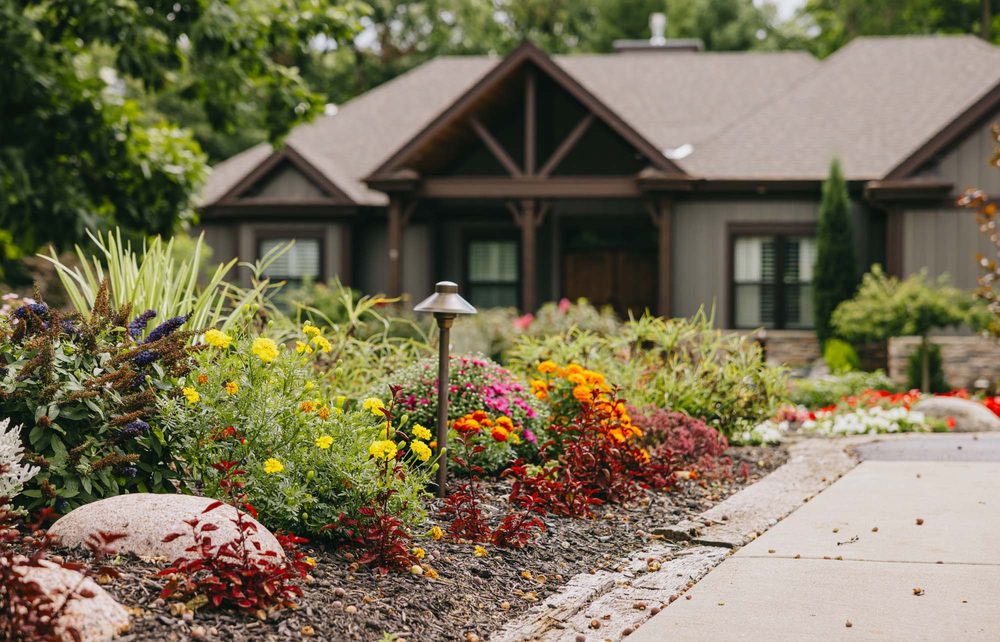
Sycamore is a DeKalb County town we are in constantly, and one where the houses are frequently older than what is planted around them. The Garcia project further down this page is a Sycamore front yard: overgrown bushes hiding the architecture, and water pooling after every heavy rain. That combination is the most common call we get here.
Renewal work is mostly a sequence. Take out what has outgrown its spot, fix the grade, re-cut the edges, replant, and mulch it properly, which matters more than people think — see the 3-3-3 rule and the mulch volcano trap. For everything we do, see our services, or the other towns we serve.
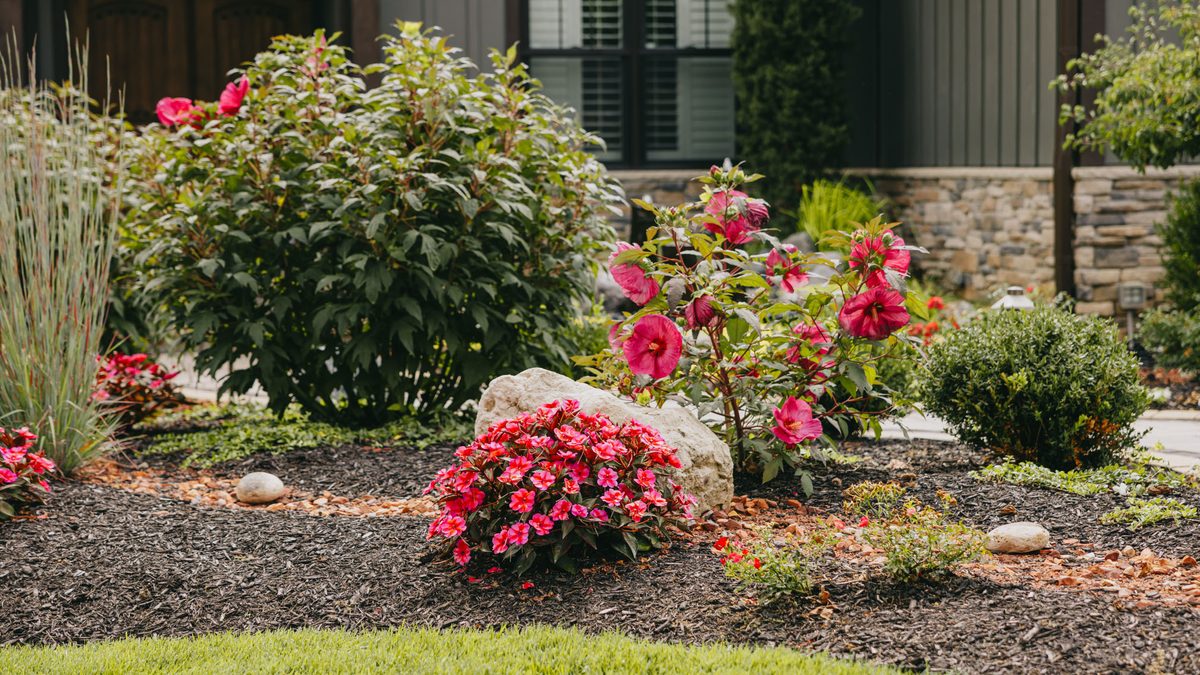
Sycamore has an older housing stock than most of the towns around it and a noticeably lighter permit process. Both shape what a project here looks like.

Plenty of Sycamore houses are living with foundation shrubs that were the right size two owners ago and now cover the windows. Most of the work here is renewal rather than starting from bare ground.

Sycamore permits fences, decks, sheds and pools, and exempts cosmetic work outright. A fence permit is reviewed in five to seven business days, and the city will accept a site plan or even the fence company's estimate showing the layout.

The Sycamore Historic District has been on the National Register since 1978. A National Register listing is largely honorary for a private owner and does not by itself control what you do on your own property, unlike a local landmark ordinance.
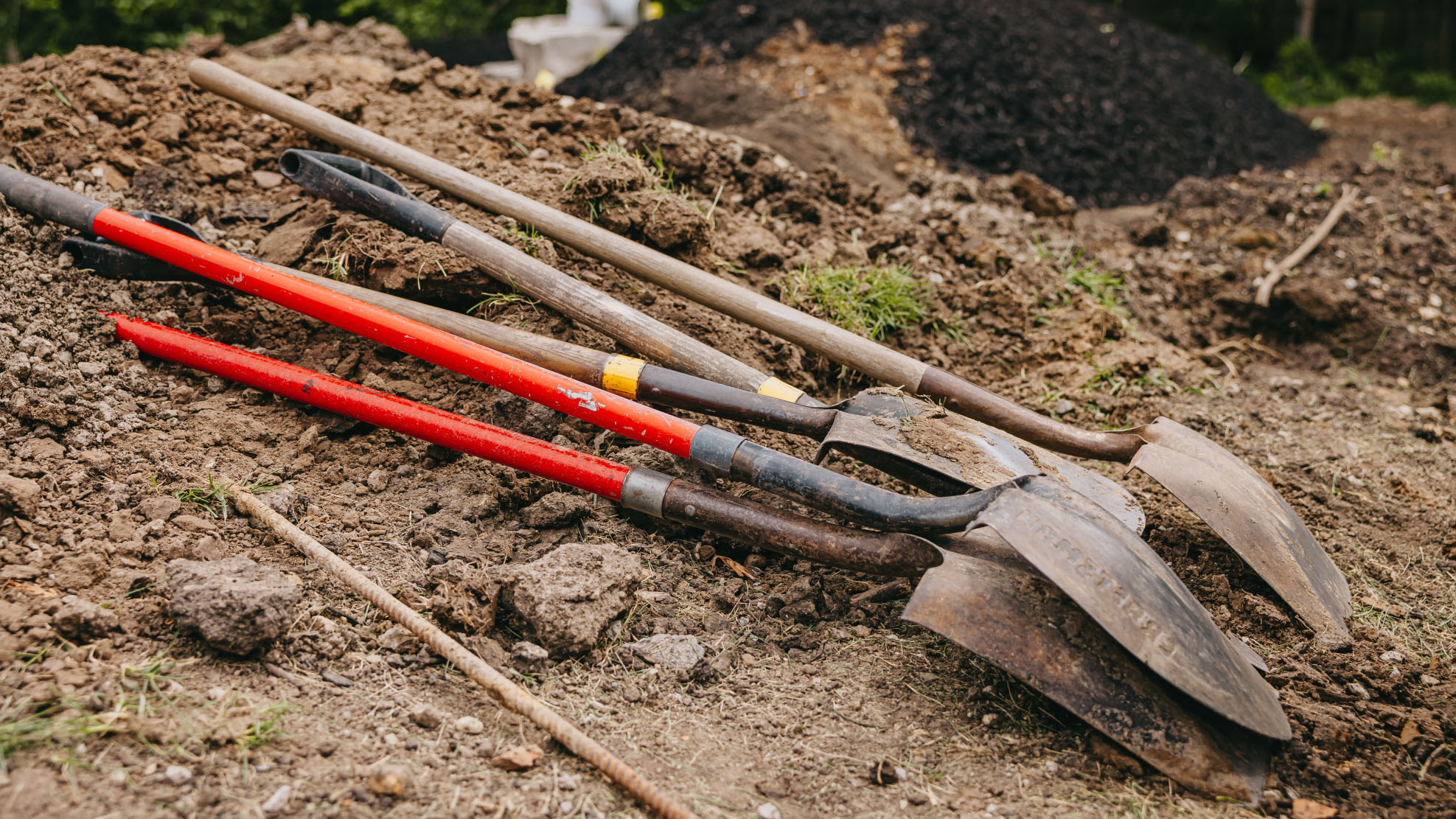
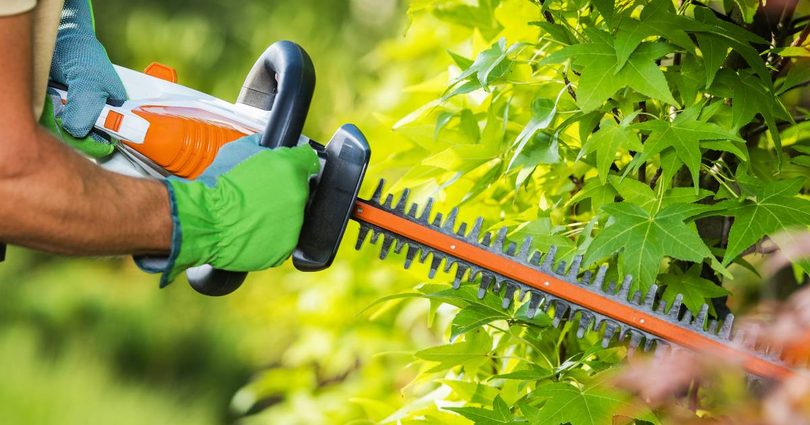
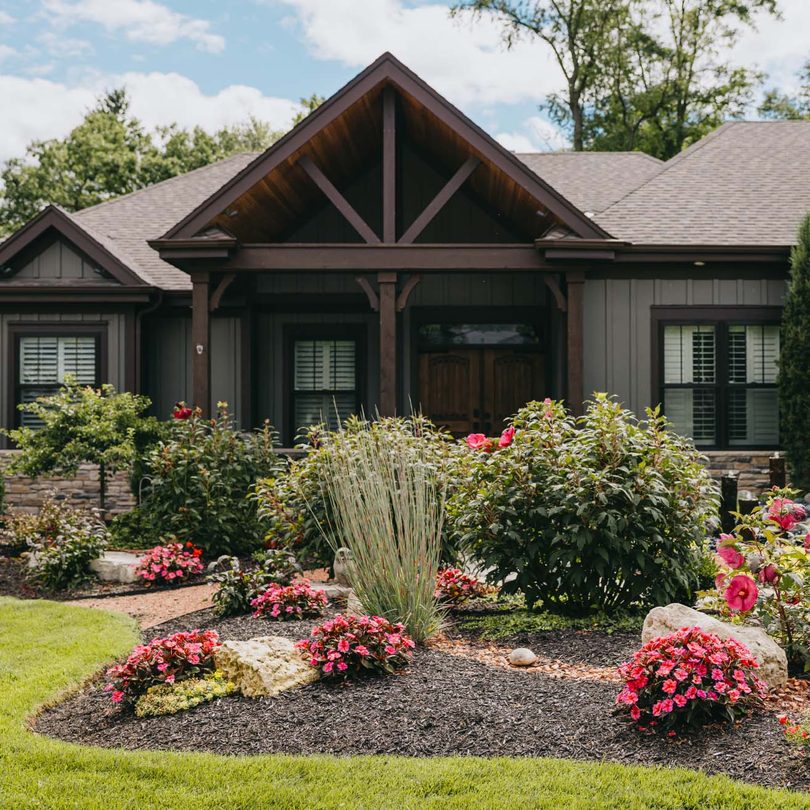
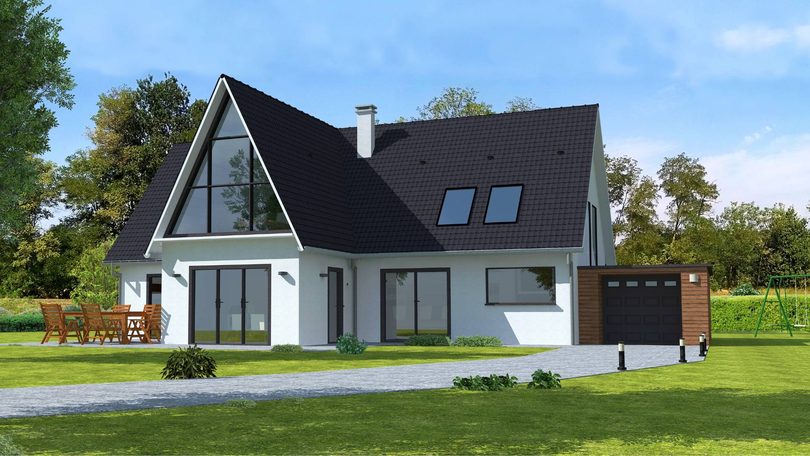
The most common Sycamore job. Foundation plantings that fit two owners ago are now covering the windows, and cutting them back properly is a different job from cutting them down.
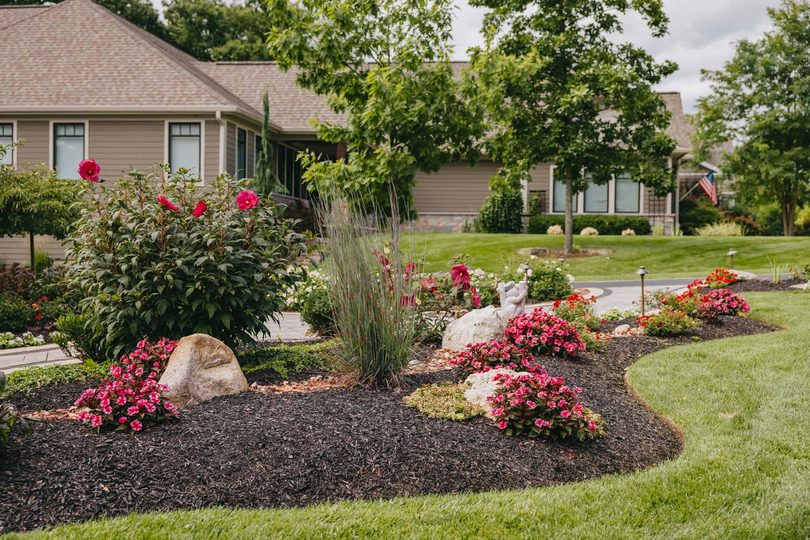
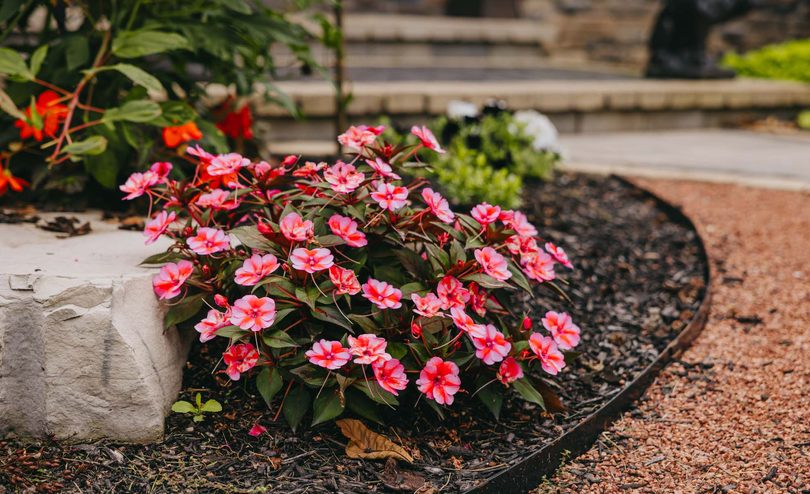
A clean cut edge is what separates a renewed bed from a tired one. On established Sycamore plantings it is usually the single change that reads from the street.
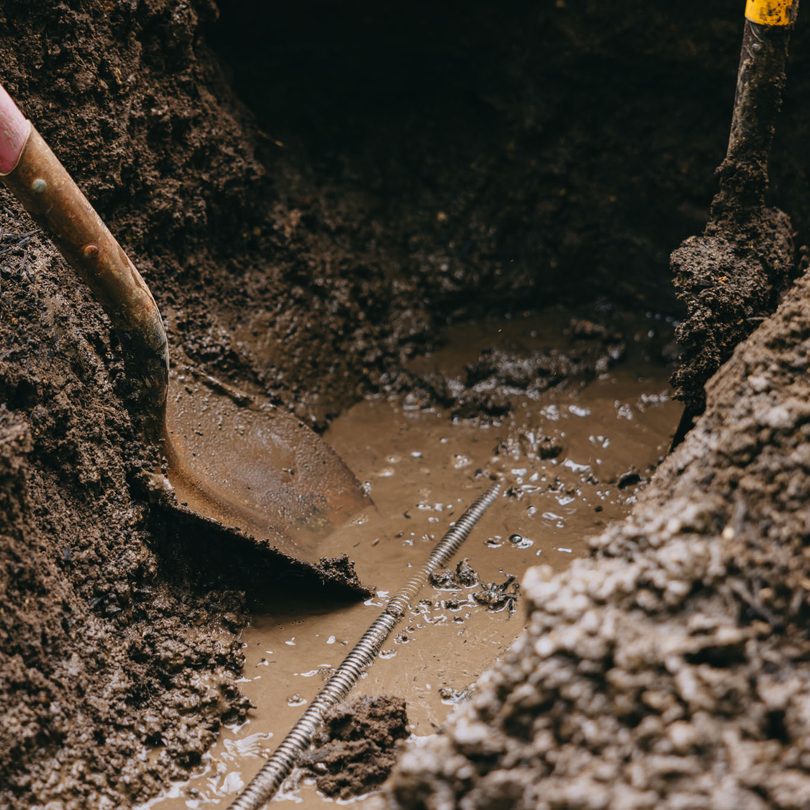
Flat ground and decades of settled beds put water where nobody wants it. Fix the grade first, then plant, or you will be doing the planting twice.
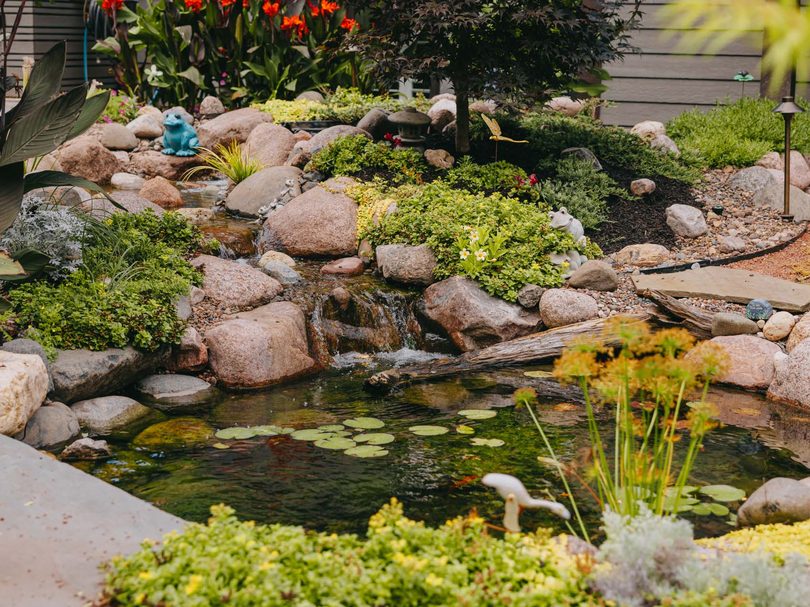
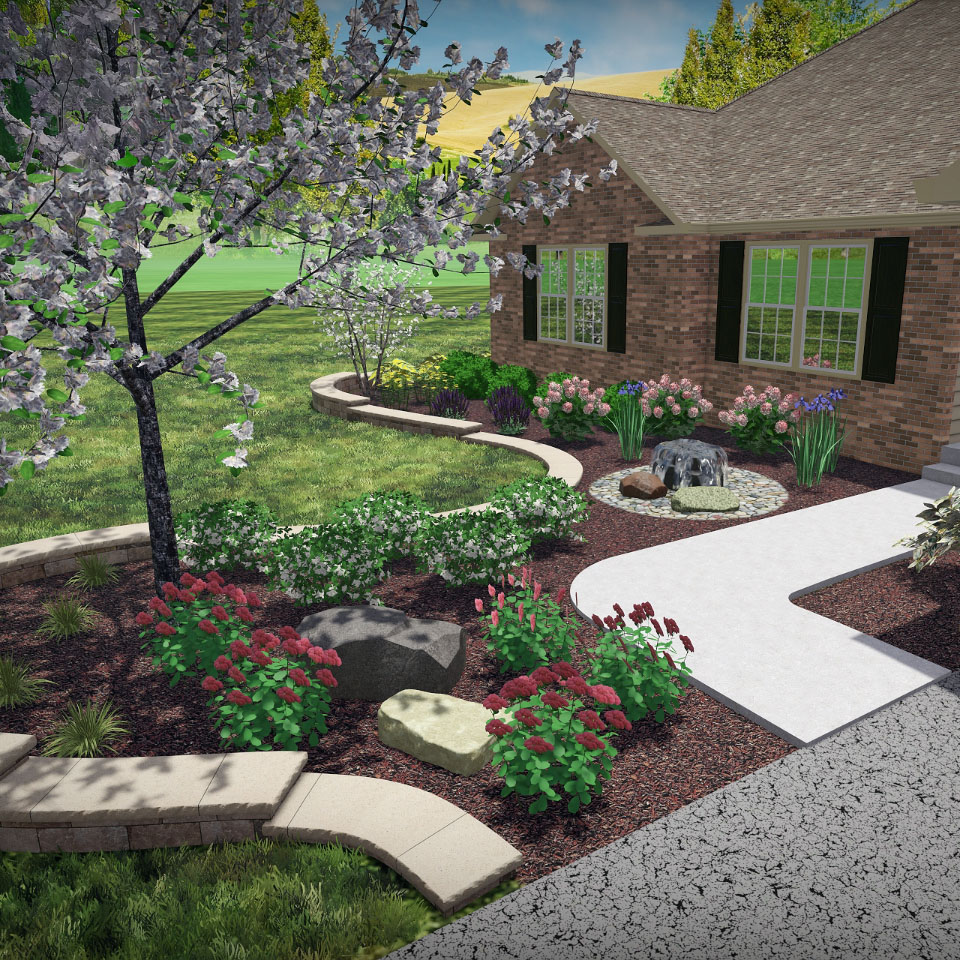
Right here in town. Overgrown bushes out, grade corrected, trench edging, new beds and irrigation, all drawn as a 3D plan before anything was dug.
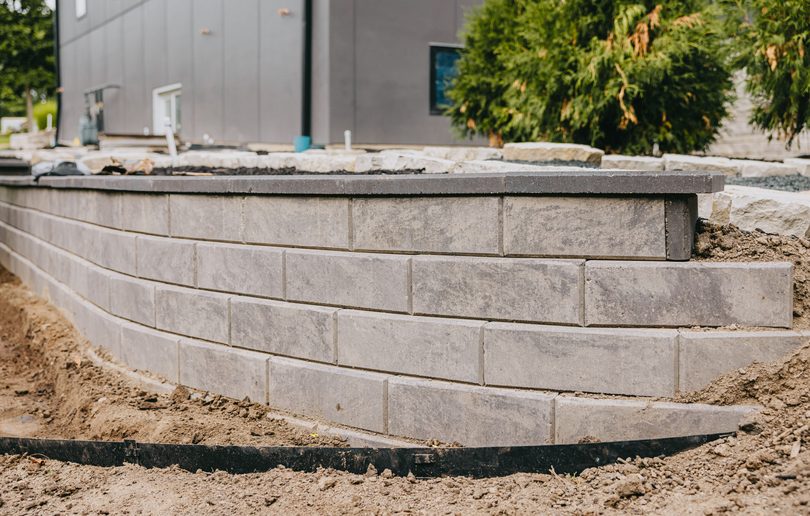
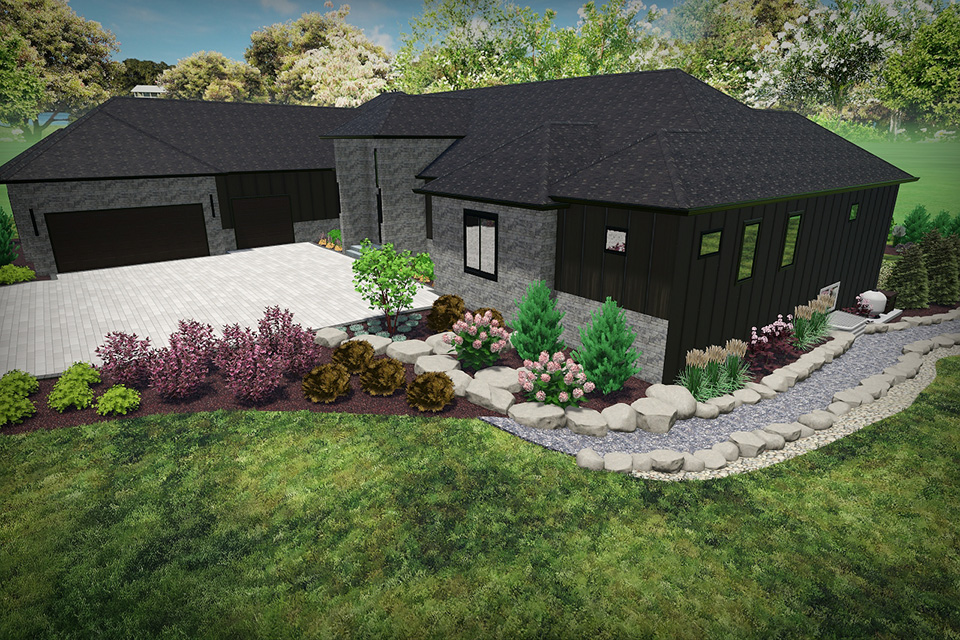
East of us in Kane County. Tiered retaining walls and drainage correction on a side yard that dropped close to six feet.
What homeowners here ask us most, answered straight.
For structures, yes. Sycamore requires permits for fences, decks, sheds and pools, new or replacement. Cosmetic work is exempt outright, including replacing windows, siding and roof shingles, painting, flooring, tile, trim and cabinetry. Residential review generally runs two to three weeks, though a fence permit is quicker at five to seven business days. Community Development is at (815) 895-4434 and opens early, 7 a.m. to 4 p.m.
Six feet in rear and side yards, four feet in a front yard and open style only, and up to six feet in a corner side yard within the required building setback. Open fences need openings covering at least 35 percent of the fence area, with a one-inch minimum. The finished side faces out, the fence sits entirely on your lot rather than on the property line, front yard fences stay at least two feet off a public sidewalk, and post holes go a minimum of 24 inches deep. Nothing may sit in a sight triangle, which is 30 feet along streets and 10 feet along driveways and alleys. The submittal is light: a plat of survey, a site plan, or even the fence company's estimate showing the layout.
Less than most people assume. The Sycamore Historic District has been on the National Register of Historic Places since 1978 and covers roughly 99 acres and 226 properties, 187 of them contributing. A National Register listing is largely honorary for a private owner — on its own it does not control what you do on your own property with your own money, which is a real difference from the local landmark ordinances in towns like Batavia and Elgin. Local rules can change, so confirm with Community Development at (815) 895-4434 before exterior work.
Often it can be saved, and sometimes it should not be. Many old foundation plantings come back over two or three seasons with staged hard pruning, which costs less than replacing them and keeps mature structure you cannot buy. Others are simply the wrong plant in the wrong place and will be back over the window in three years no matter how well they are cut. We will tell you which is which before you pay for either.
Permit and review requirements described on this page reflect City of Sycamore guidance published as of September 2026. Fees and codes change. Confirm current requirements with the city before starting work.
Sycamore and DeKalb effectively run together, and our shop sits minutes from both.
Tell us what has outgrown its spot and we will tell you what can be saved and what should not be. Free on-site estimate, no pressure.