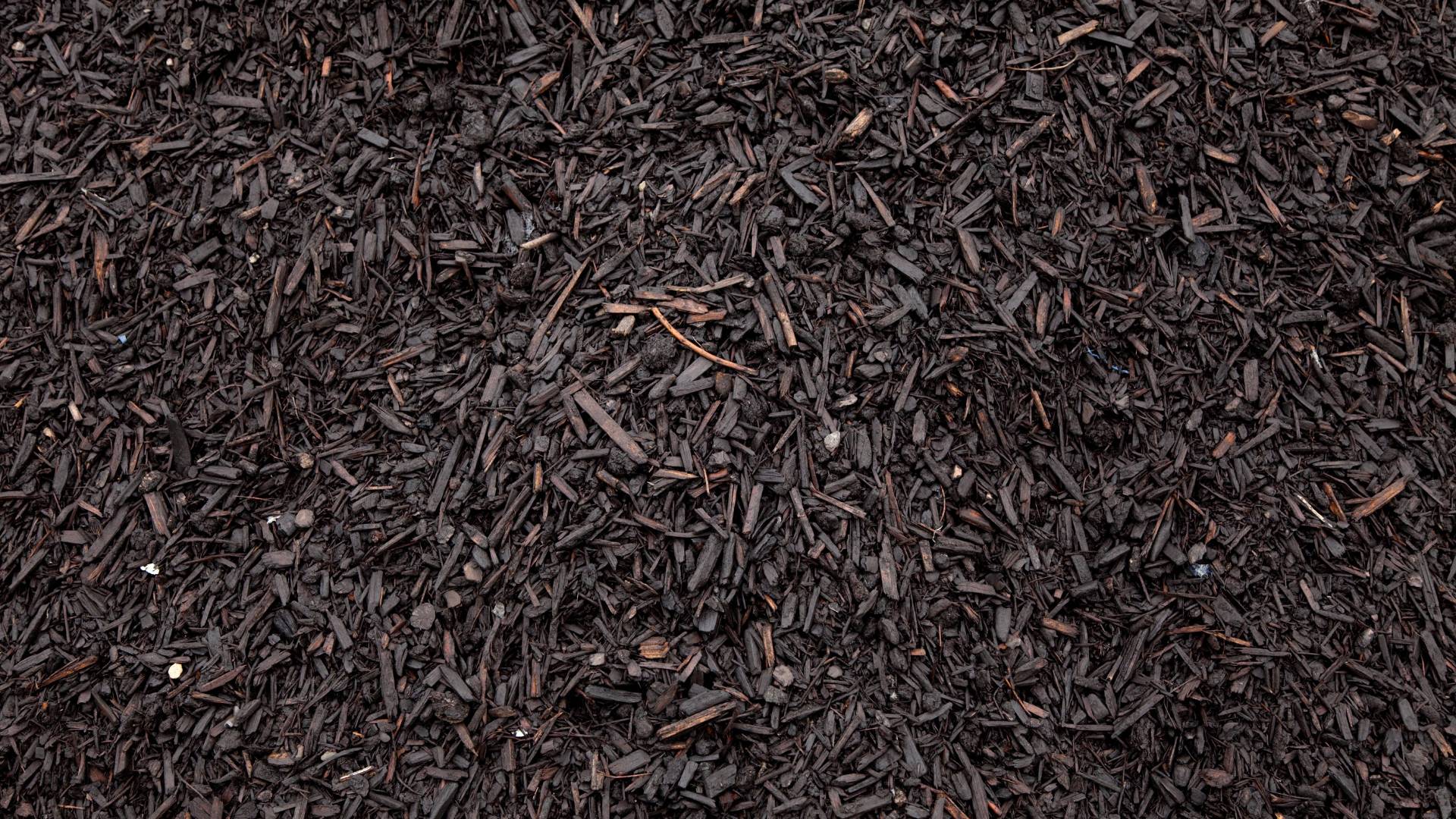
Hardwood, dyed, cedar or bark? An honest comparison of mulch types for northern Illinois clay soil and freeze-thaw, with 2026 pricing.
You're at the nursery. The mulch lot has six options — brown hardwood, dyed black, dyed red, cedar shred, hemlock bark, premium bark nuggets. Prices range from $3.50 a bag to $8 a bag. You're trying to figure out which one is actually best for your beds in northern Illinois without paying for marketing.
The "best mulch" question gets answered differently by everyone selling mulch. This guide answers it honestly for northern Illinois: how each mulch type performs in our clay-soil, freeze-thaw climate, where the real differences are (and aren't), what the math is on premium vs standard, and what we use on our installs.
For most northern Illinois homeowners, the best mulch options in order of practical value:
For most beds at most homes, premium hardwood mulch is the right answer. The premium for cedar, dyed, or bark only makes sense in specific situations.
What it is: shredded hardwood (oak, maple, mixed hardwoods) processed and aged. Premium hardwood is screened more thoroughly and has consistent texture without large chunks or stringy pieces.
Why it works for our climate:
Drawbacks:
Cost: $30–$50 per cubic yard in bulk from landscape suppliers. Premium hardwood at the high end of that range.
Best for: the vast majority of residential beds. Foundation plantings, perennial beds, shrub borders, tree wells with proper trunk clearance.
What it is: standard hardwood mulch dyed black, brown, or red with iron oxide or vegetable-based dyes. Modern dyes are typically non-toxic.
Why people use it:
Drawbacks:
Cost: $40–$70 per cubic yard. Black and brown are similar; red typically lowest of the dyed options.
Best for: designed landscapes where color consistency matters, modern or formal aesthetic, beds adjacent to light hardscape where contrast helps.
What it is: shredded cedar wood from western or eastern cedar, naturally containing oils that resist decay and repel some pests.
Pros:
Drawbacks:
Cost: $60–$110 per cubic yard.
Best for: foundation plantings near the house (insect deterrent benefit), beds where the slower breakdown rate makes the premium pencil out, smaller premium-design areas where the aroma and look are wanted.
What it is: chunks or nuggets of bark (rather than shredded wood). Often pine bark or hemlock bark.
Pros:
Drawbacks:
Cost: $60–$120 per cubic yard.
Best for: decorative beds with low foot traffic, slopes where slower breakdown helps, areas where the chunky aesthetic fits the design.
On most of our installs through our mulch service, we use premium hardwood mulch unless the project specifies otherwise. The reasoning:
For specific cases:
A few mulch types we don't recommend for northern Illinois:
A typical residential property has 500–1,000 sq ft of beds. At 3-inch depth, that's 5–10 cubic yards of mulch per application.
Standard hardwood ($35/yard):
Cedar ($90/yard):
Premium bark ($110/yard):
With installation labor for the same 5–10 yards typically running $400–$1,000, the material premium for cedar or bark adds $250–$750 to the total job. For most homeowners, that premium isn't worth it on the majority of beds. Spot-using cedar or bark on specific high-visibility beds while running hardwood on the bulk of the property is the cost-effective middle ground.
For most northern Illinois beds, premium hardwood mulch is the best choice. It performs well in our clay-soil, freeze-thaw climate, breaks down at the right rate to enrich soil without needing more than annual refresh, and offers the best price-to-performance ratio. Cedar, dyed hardwood, and premium bark have specific use cases but typically don't outperform hardwood on the math.
Modern mulch dyes are typically iron oxide or vegetable-based, which are non-toxic. The dyes are stable once applied. The main concerns with dyed mulch are aesthetic (red can read as artificial in naturalistic plantings) and functional (black absorbs heat, which can warm beds where you don't want them warmer). Quality dyed mulch from reputable suppliers is safe for plants and soil.
Cedar contains natural oils (thujone, cedrol) that repel termites, carpenter ants, and some other insects to a meaningful degree. The effect diminishes as the mulch ages and the oils dissipate — typically the first 6–12 months of fresh cedar mulch provides the strongest repellent effect. For chronic pest pressure, cedar mulch is a useful tool but not a complete solution.
Quality hardwood mulch is shredded from oak, maple, and other hardwoods, then aged before sale. Generic "landscape mulch" sold cheap can include ground pallet wood, treated wood scraps, or other low-quality material. The visual difference is subtle but the performance gap is significant — generic material can leach unwanted chemicals, break down too fast, or contain weed seeds. Buy from reputable suppliers and ask what's in the mix.
Functionally, natural hardwood color reads as landscaped without drawing attention to itself. Dyed mulch (typically black or brown) creates contrast against light hardscape and stays color-consistent longer. Red dyed mulch reads as artificial in most naturalistic plantings. For most homes, natural hardwood is the right look; dyed is a design choice for specific applications.
Yes — and many homeowners do. Cedar near the house foundation for the insect benefit, hardwood across the bulk of the property for cost efficiency, premium bark or dyed in a specific high-visibility decorative bed. Mixing makes sense as long as the visual transitions are intentional (typically following bed lines or planting transitions, not random patches).
For most northern Illinois beds, premium hardwood mulch is the best choice. It performs well in our climate, breaks down at the right rate, and offers the best price-to-performance. Cedar, dyed hardwood, and premium bark have legitimate use cases but typically don't outperform hardwood on the math for most properties.
The single most important variable in mulch performance isn't the type — it's the depth. Three inches at install, refreshed annually to maintain that depth, with proper trunk clearance around every tree.
Before picking the type, get the depth right. The 3-3-3 Mulch Rule (And the "Mulch Volcano" Trap) covers the depth, distance, and trunk clearance that determine whether mulching helps or harms a tree.
Related reading
Ready to schedule mulch installation? Request a quote and we'll add it to your spring or fall cleanup visit.